



JR Utsunomiya Station


We use cookies on this site to enhance your user experience. If you continue to browse, you accept the use of cookies on our site. See our cookis policy for more information.
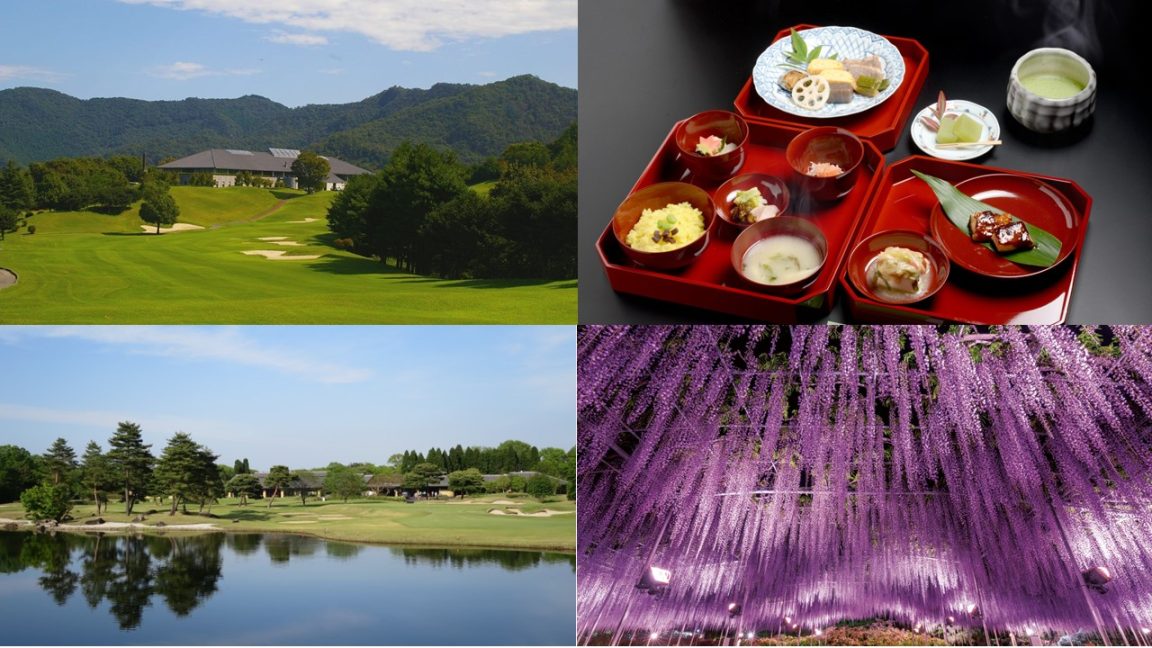
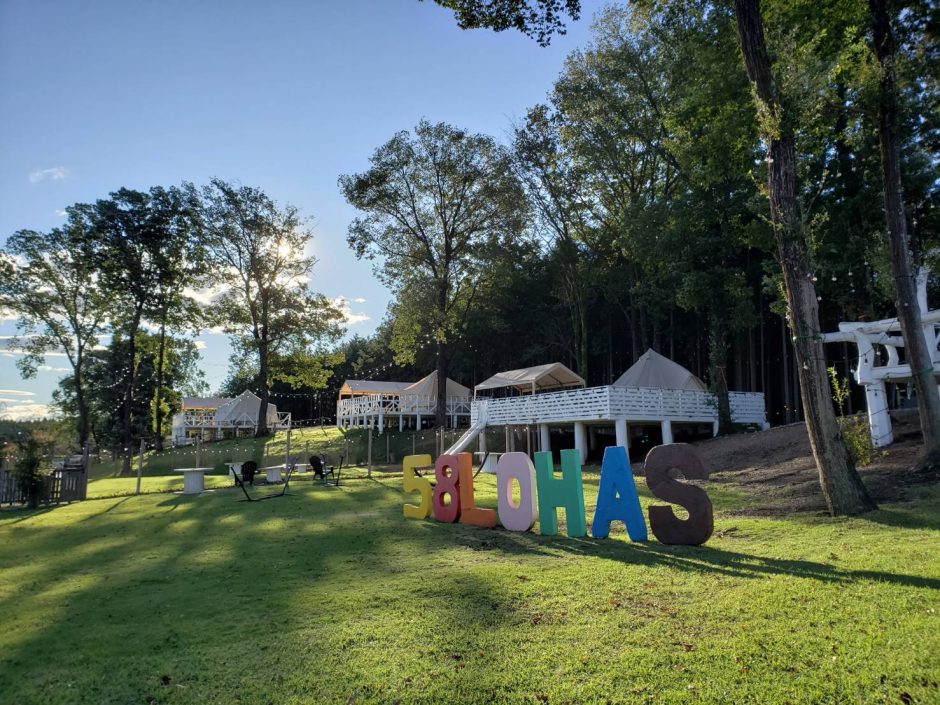
Utilizing the vast grounds of a former golf course, this resort-style facility allows you to relax in nature with your beloved dog and family. It features dog runs of various sizes, glamping accommodation, BBQ, an authentic aerial obstacle course and zipline, restaurants and cafes using vegetables grown on the on-site farm, and harvest experiences for strawberries and blueberries.


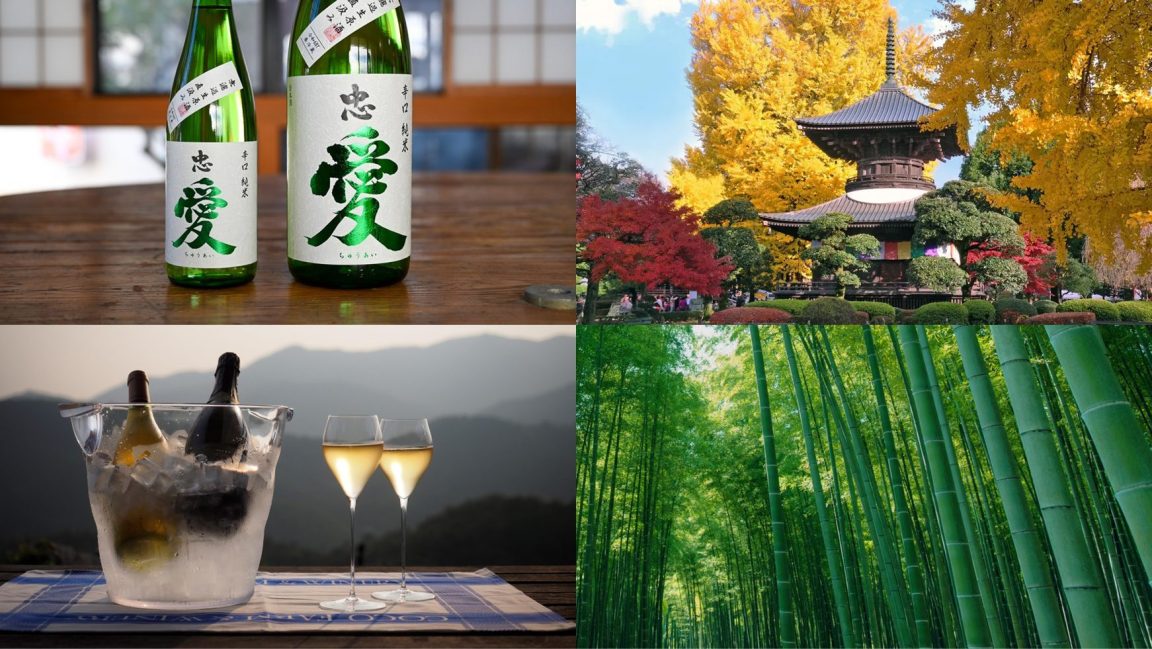
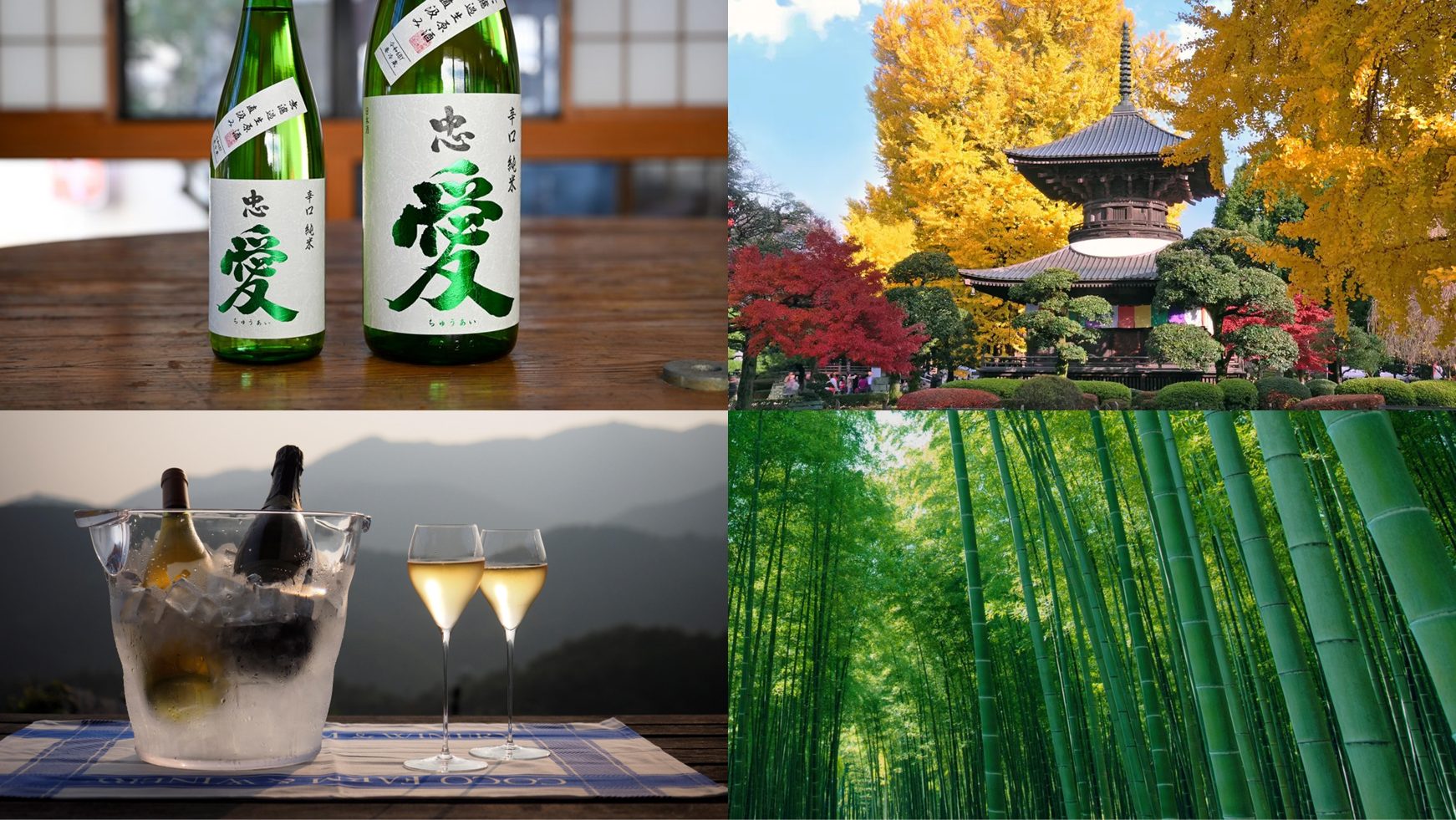
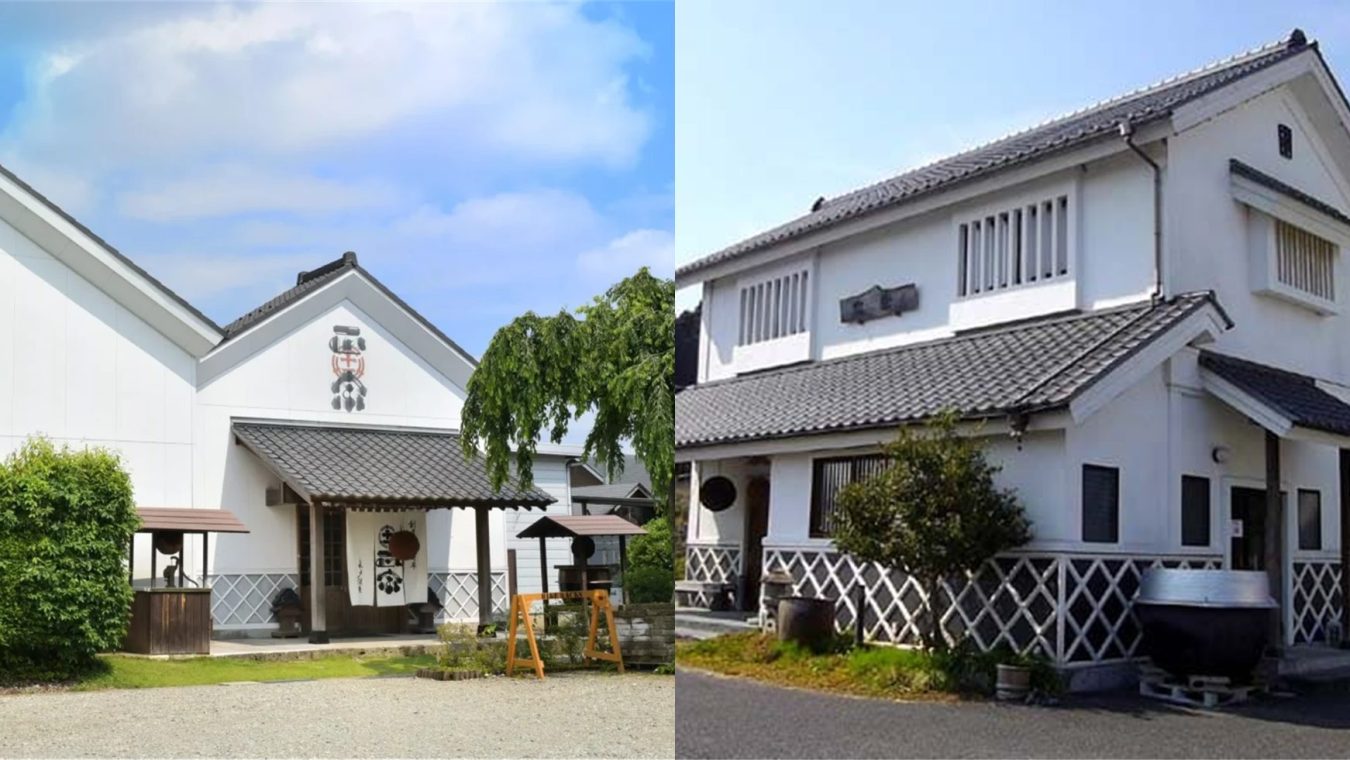
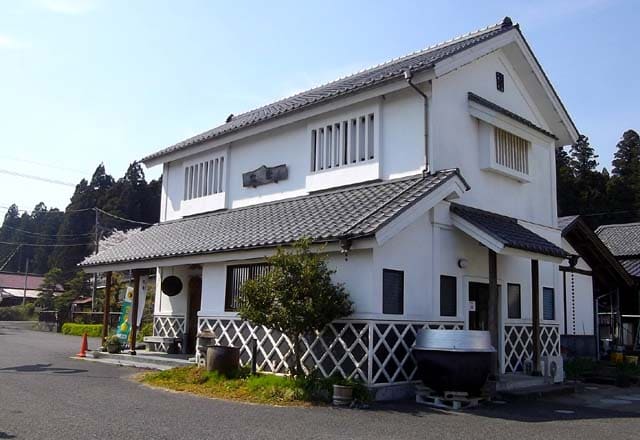
Founded in 1874, this brewery has been making delicious, quality-driven sake for over 140 years. Morito Brewery is a traditional sake brewery that places high value on the rice grown in-house in the vast rice plantations surrounding the brewery, the Shojinzawa water which has been chosen as one of Japan’s top 100 water sources, and the handiwork of the local Toji brew master, ensuring the preservation of the traditional taste of their sake. The brewery offers a variety of sake flavors including their original sake made with a combination of the hand-produced sake brewing techniques of the past and the best parts of modern sake brewing technology.
With the philosophy that “local sake is local food culture,” they aim to brew with meticulous care.
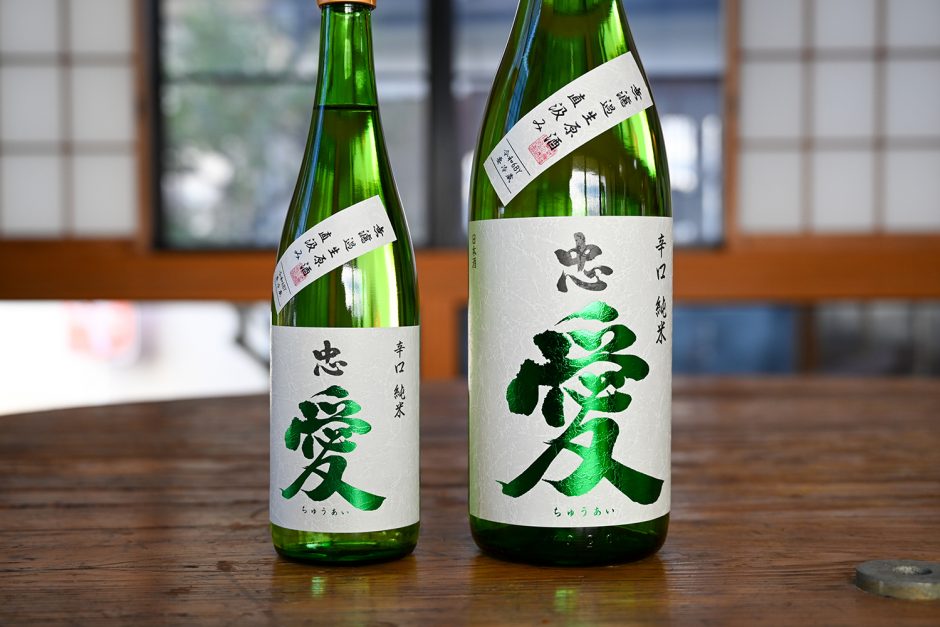
Crafted by brewers who continue to preserve traditional sake-making methods to this day, Tomikawa Shuzo’s sake is characterized by its mellow aroma and smooth taste.
They produce the “Chuai” and “Tomikawa” brands.



-01-1152x864.jpg)
-02.jpg.webp)
-03-1152x1052.jpg)
-04.jpg.webp)
-05-1152x768.jpg)
-06-1152x1536.jpg)
-07-1152x768.jpg.webp)
-08-1152x741.jpg)
-09-1152x768.jpg)
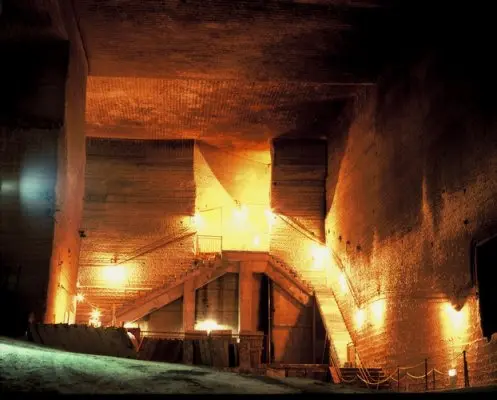
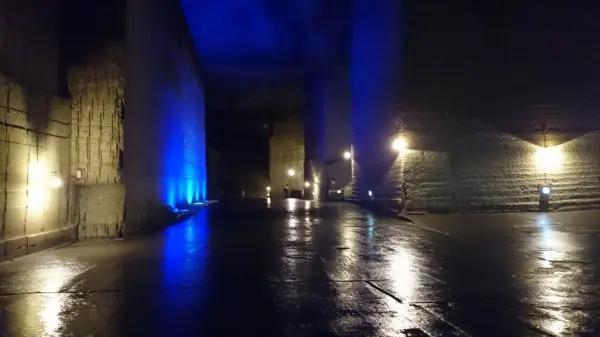
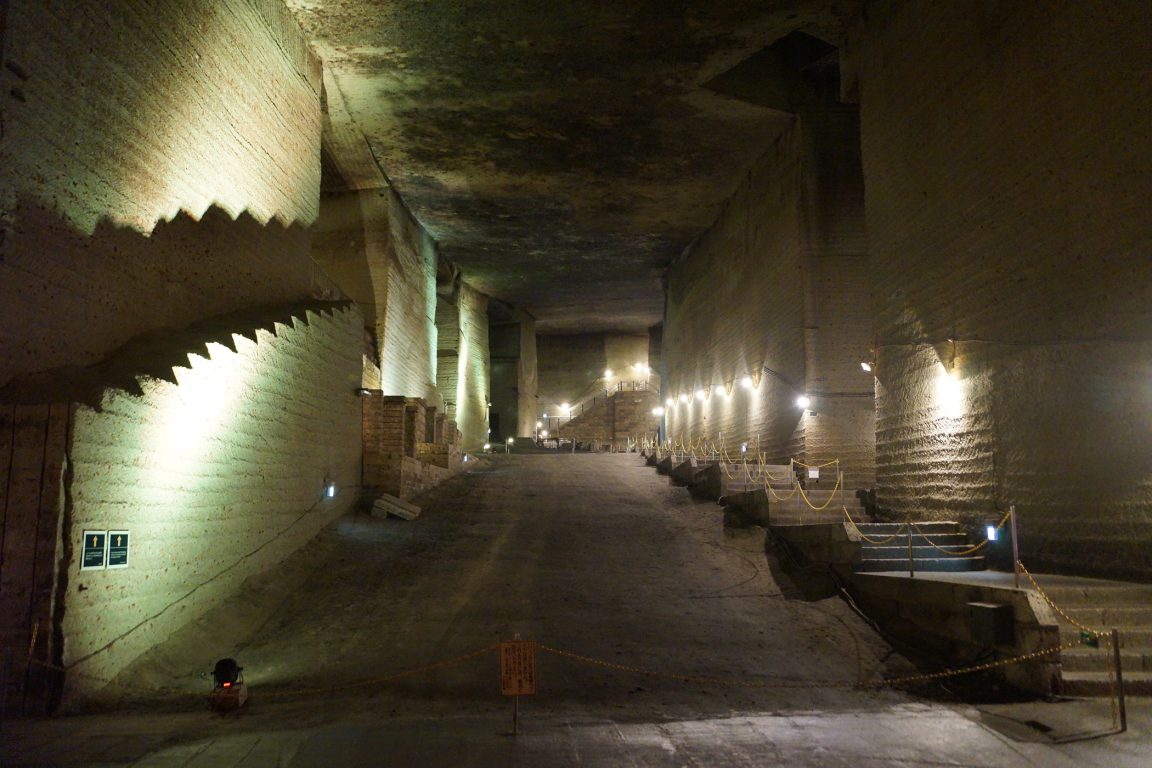
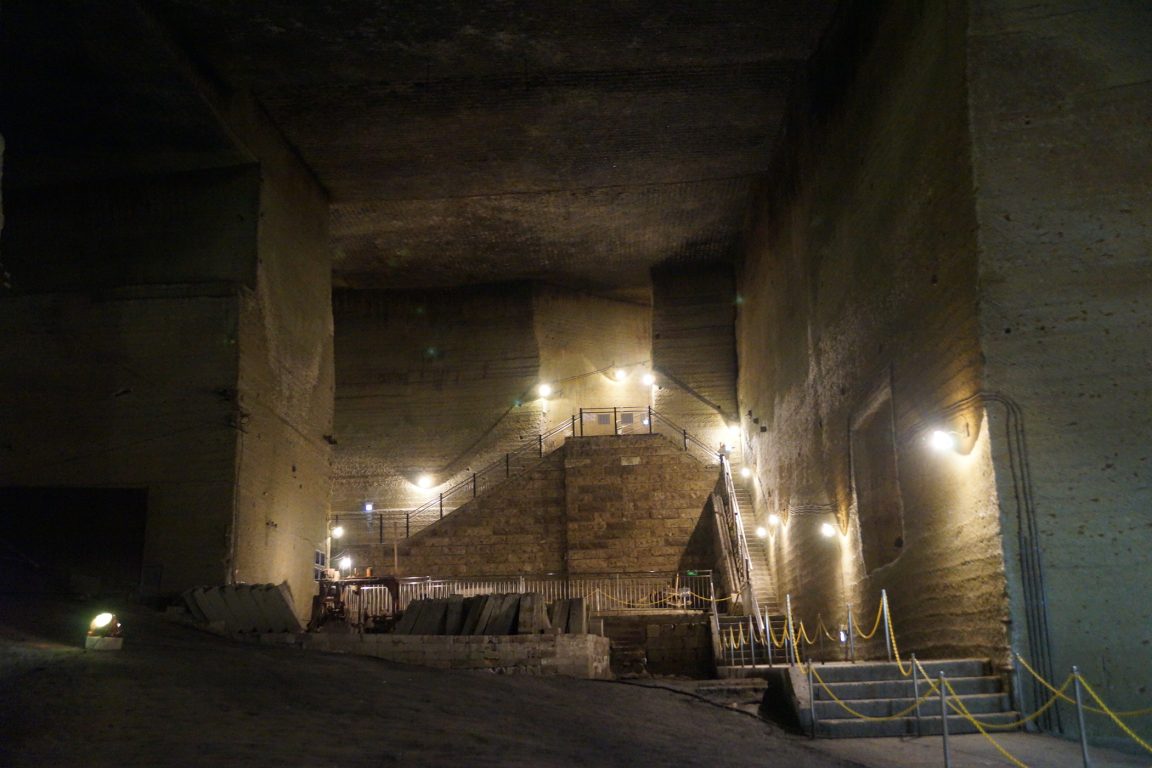
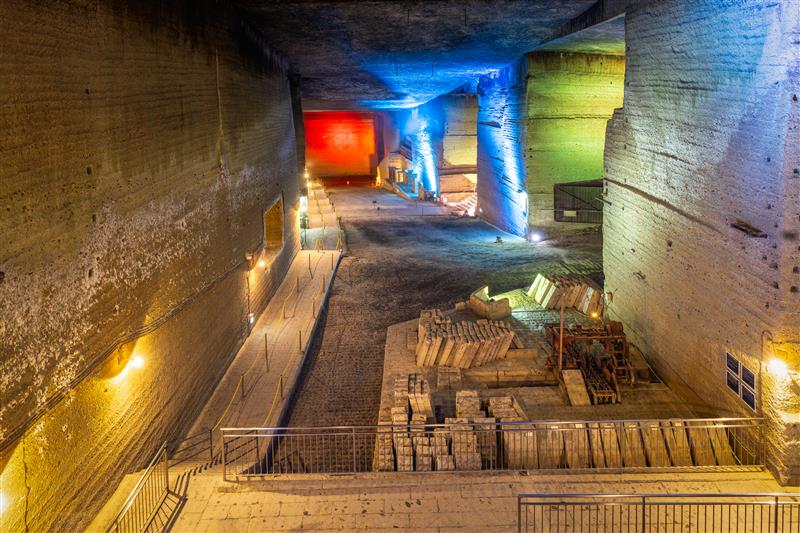
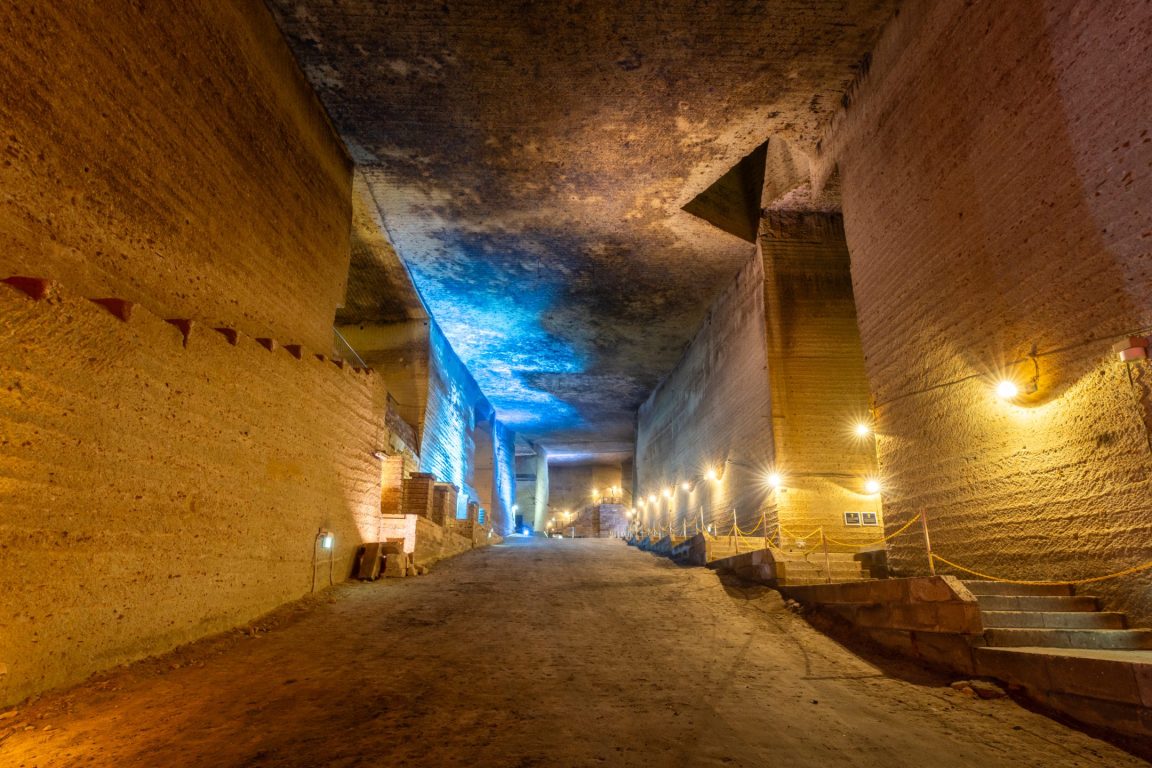
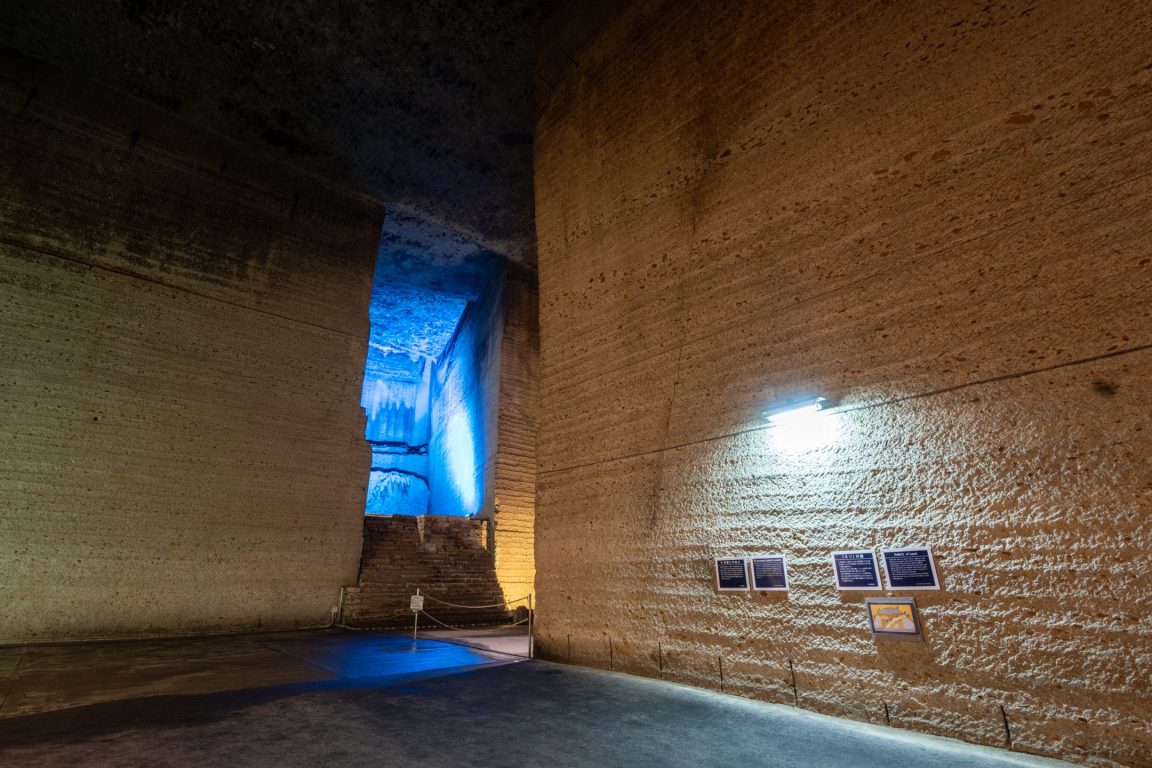
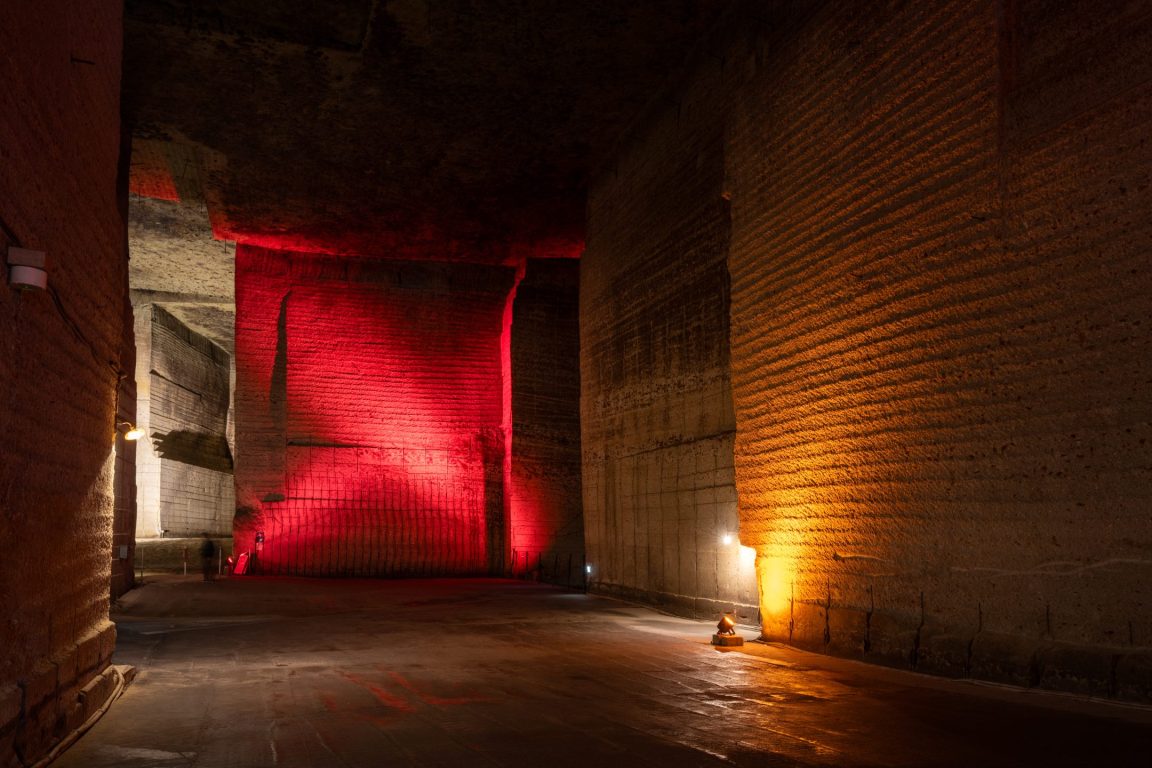
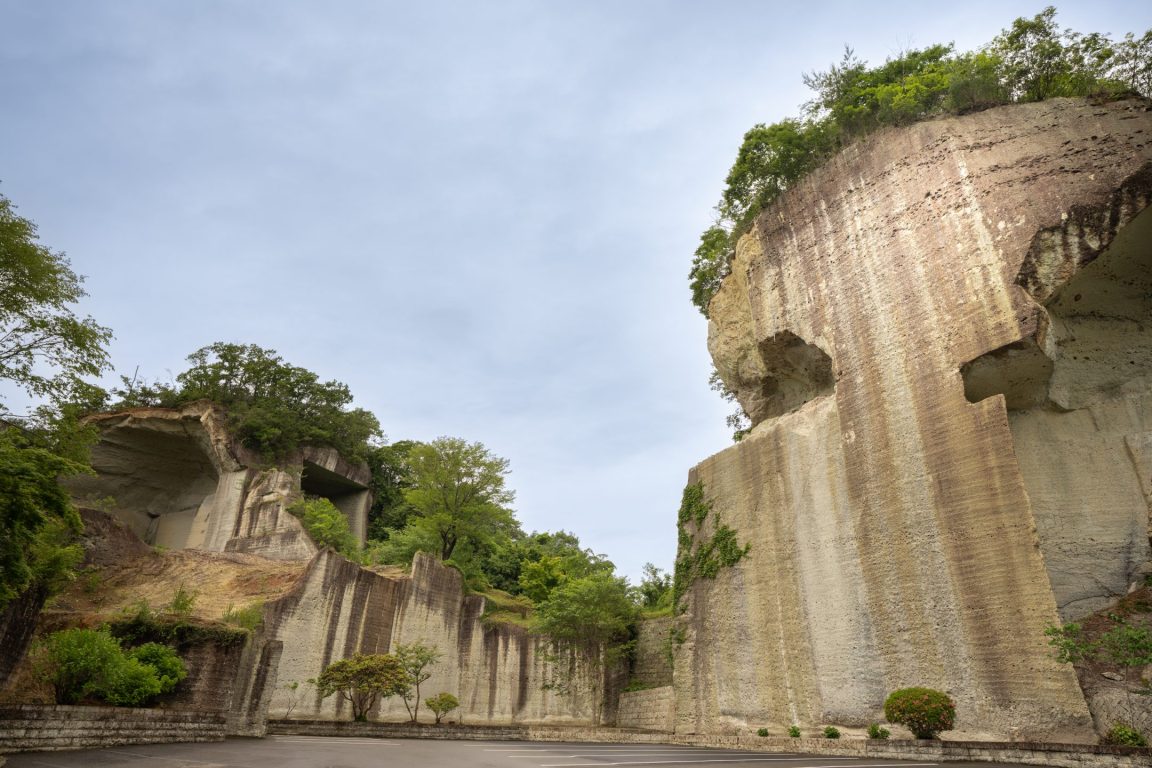
The old mining site of Utsunomiya’s famous,Oya Stone,has now been turned into a historical museum. The exhibition features the long history of the mining since the 17th century,with many materials on display. The underground cavern,covering 20,000 sq. metres,is large enough to fit a baseball field.
With a fantastic atmosphere reminding visitors of the ruins of Ancient Rome.It is used in various scenes such as movie shooting, music videos shooting, weddings, concert, etc. due to its mysterious scenery.

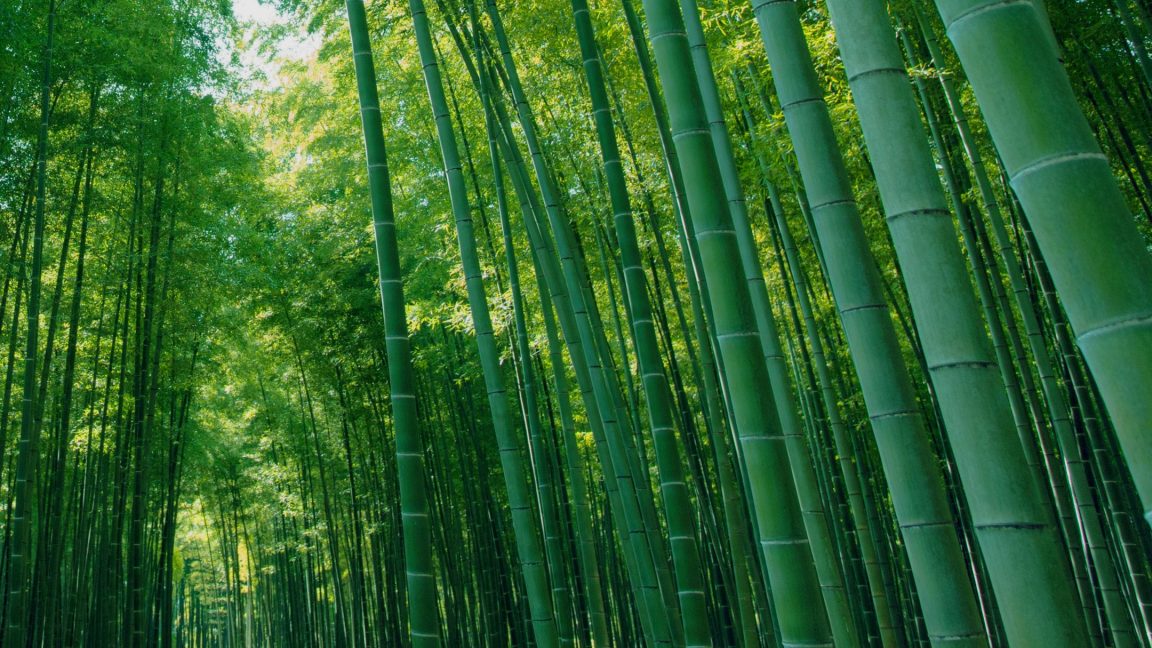
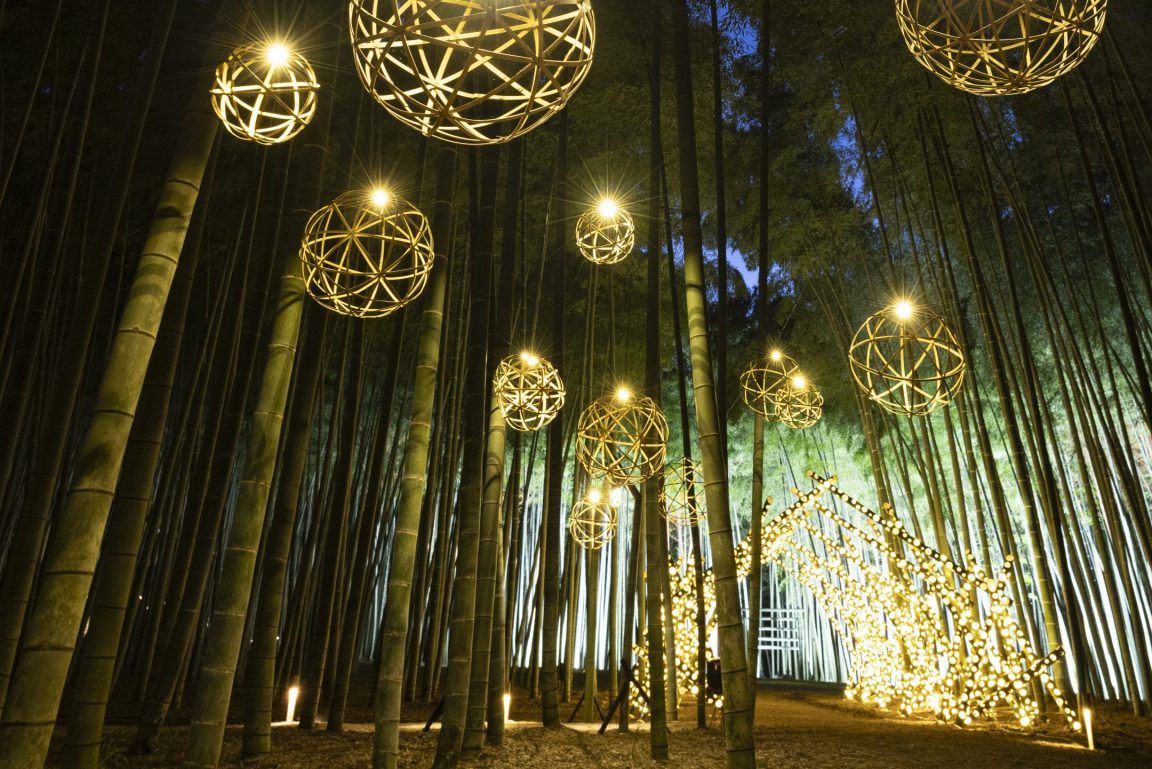
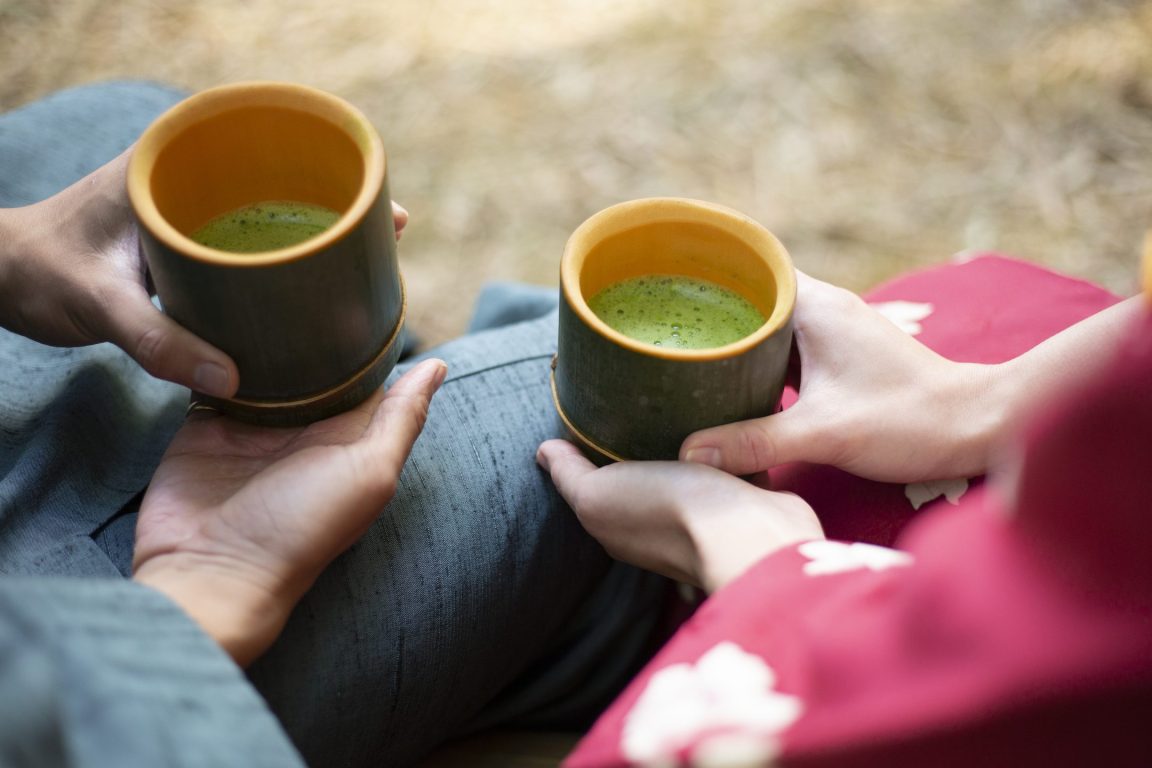
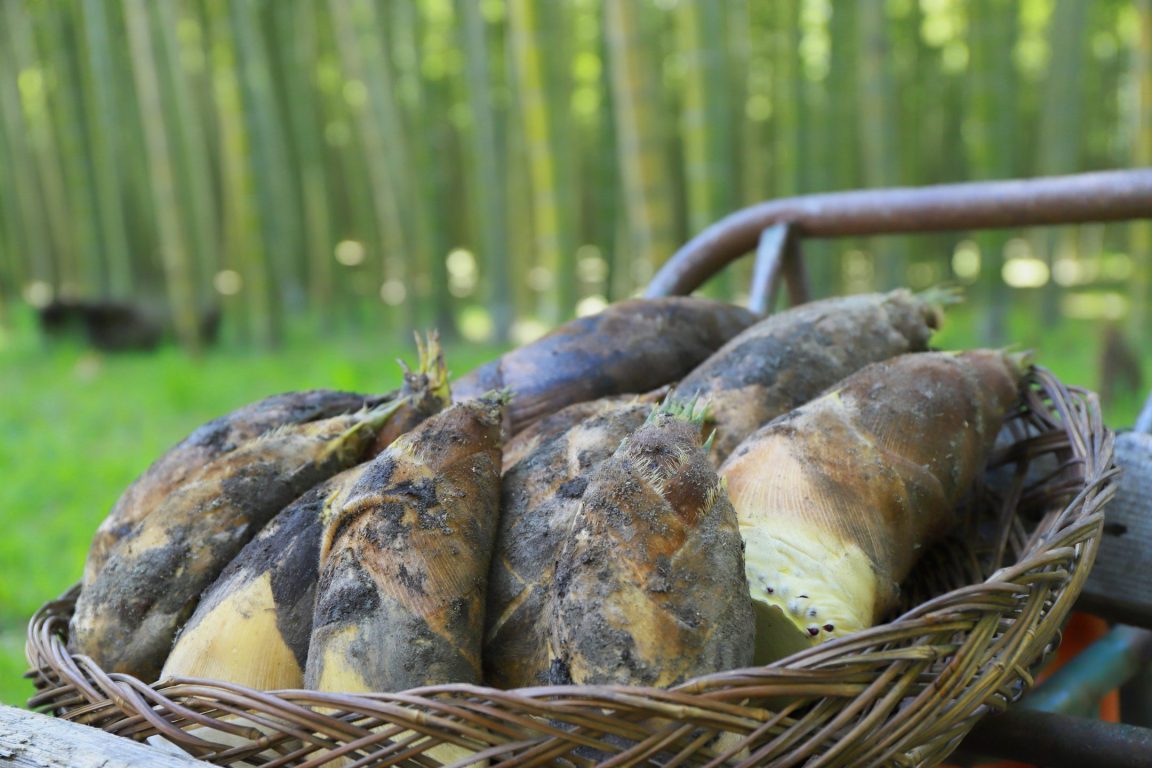
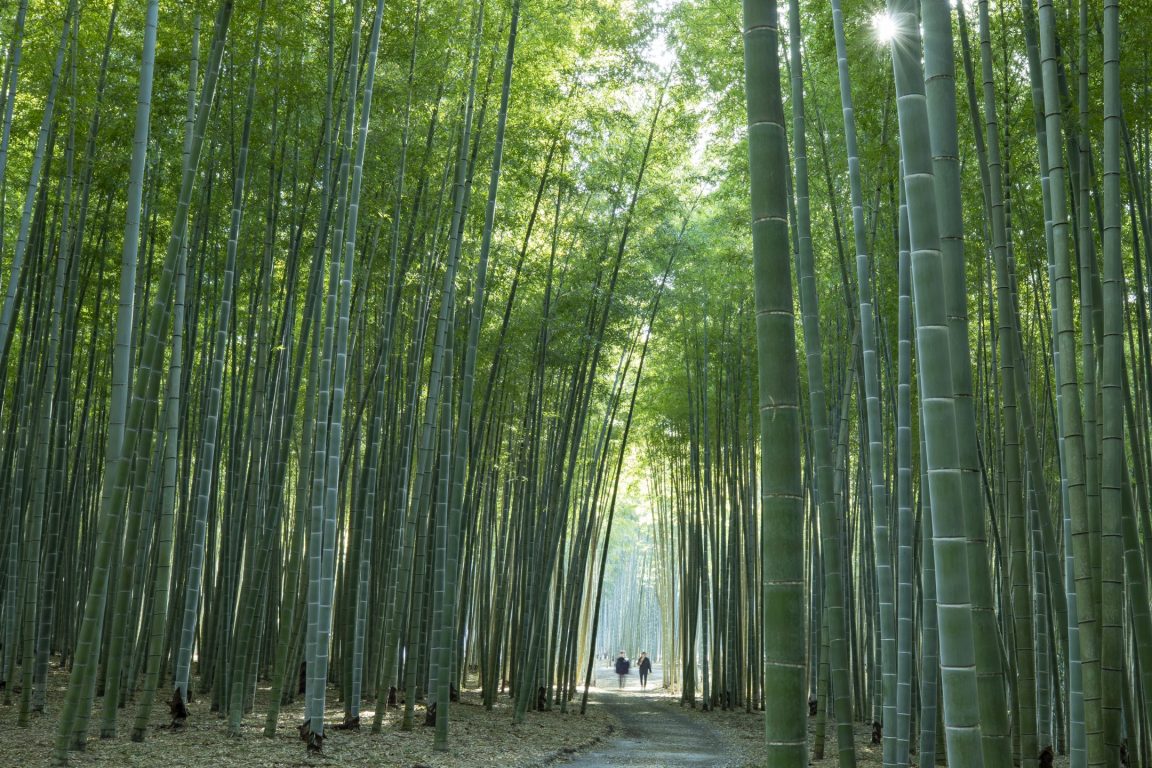
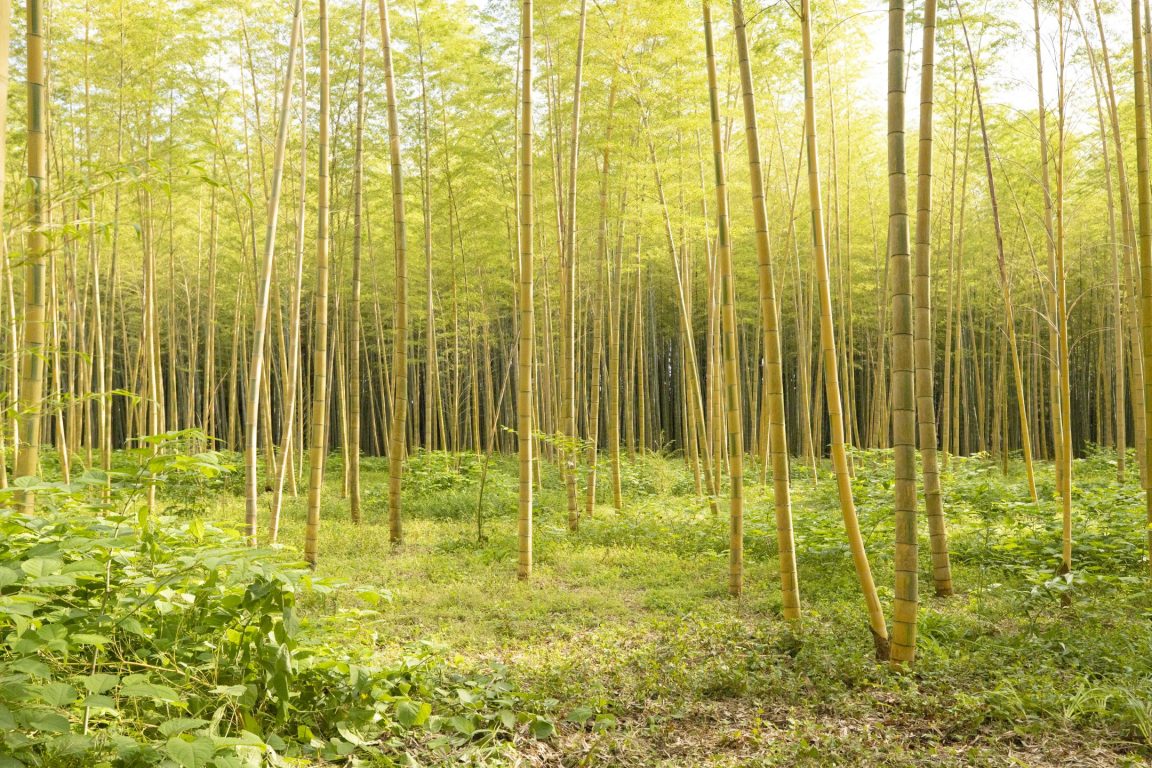
Wakayama Farm is a family farm that has been producing chestnuts, bamboo shoots, and bamboo seedlings over three generations. The spectacular bamboo forest that extends in the 24-hectare land is also popular as a filming location for movies and commercials. Farm visitors can try bamboo shoot harvest and bamboo craft creation in addition to a walk in the bamboo forest. On weekends and holidays, you can enjoy an out-of-ordinary experience including drinking matcha from a bowl made from bamboo and seeing the illuminated bamboo forest at night. The café offers meals that feature the flavor of ingredients grown by farmers in the neighborhood and drinks that are perfect to take on a walk. The farm also has a museum where visitors can learn about the ecology and use of bamboo and a gallery showcasing Japanese bamboo handicrafts. The shop sells agricultural products including bamboo shoots, chestnuts, and blueberries, and also the chestnuts sweet “Oh Kuri” made by thoroughly kneading the nuts of carefully grown chestnuts. You will also find the farm’s original bamboo shoot products such as jars of additive-free boiled bamboo shoots harvested in spring.
Originally flourished as a post station in the 17th century, Tochigi city later developed into a merchant city on the banks of the Uzuma River. The river was an important trade route to and from Edo (Tokyo). The black merchant houses and white-walled storehouses can still be seen along the Uzuma River and on Kura-no-Machi Oh-dori (the main street). Go for a stroll and feel the classical atmosphere!


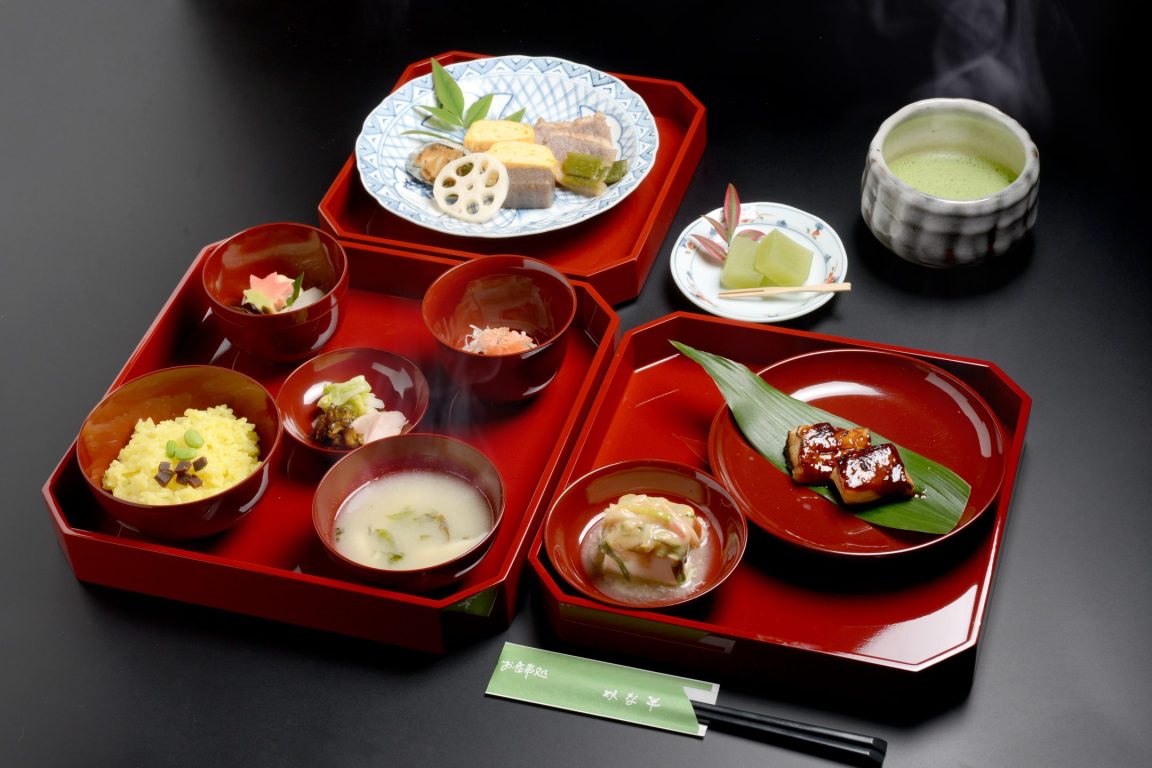
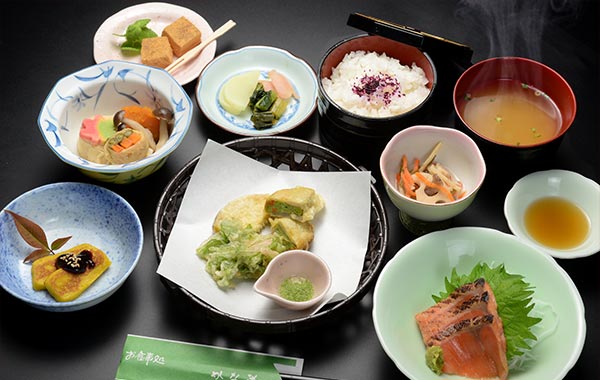
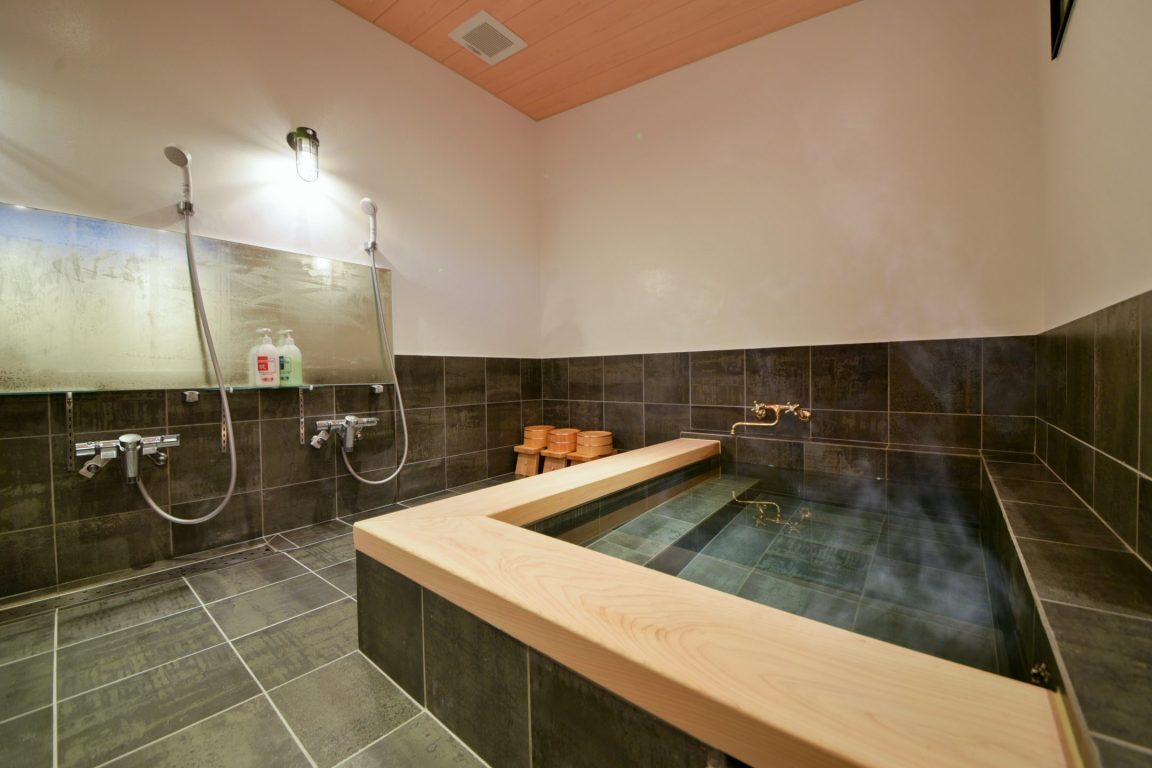
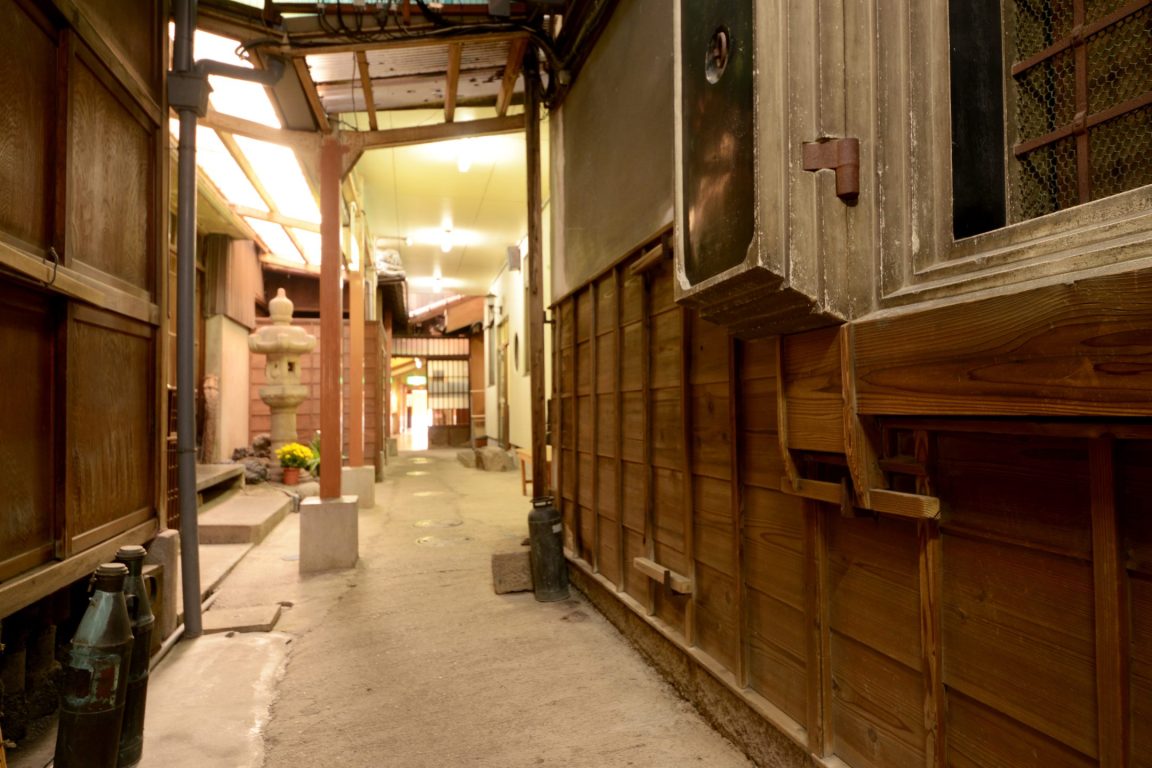
Kanahan Ryokan, located in the heart of Tochigi City, opened during the An’ei era (1772–1781). Currently, the oldest building in this inn is the one built in 1918 to accommodate officers when they came to Tochigi for large-scale army training at Tochigi Junior High School (currently Tochigi Senior High School). Kan’in-no-miya family (a branch of the Imperial Family) later stayed in this building, too. There are traditional Japanese storehouses and architecture here and there throughout the inn, allowing visitors to have a relaxing stay in the nostalgic atmosphere. The inn has guestrooms for small groups like couples, as well as rooms in an annex perfect for accommodating large groups for a long stay. Experience the atmosphere of the Edo period through the old townscape and Tochi-Edo cuisine. Tochi-Edo cuisine consists of original dishes inspired by local meals and dishes from the Edo period reproduced using copies of recipes. Culinary creativity brings out the flavor of each ingredient to give a delightful surprise to those who are accustomed to the modern taste.

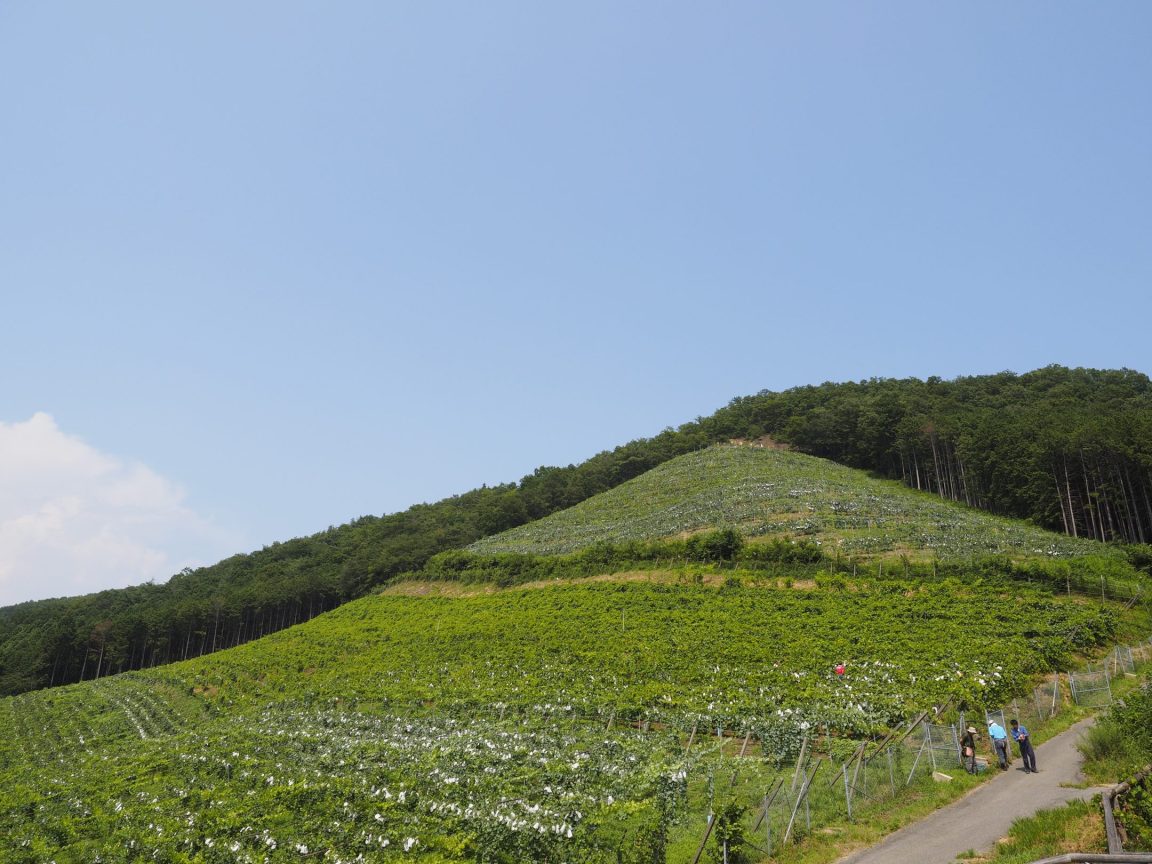
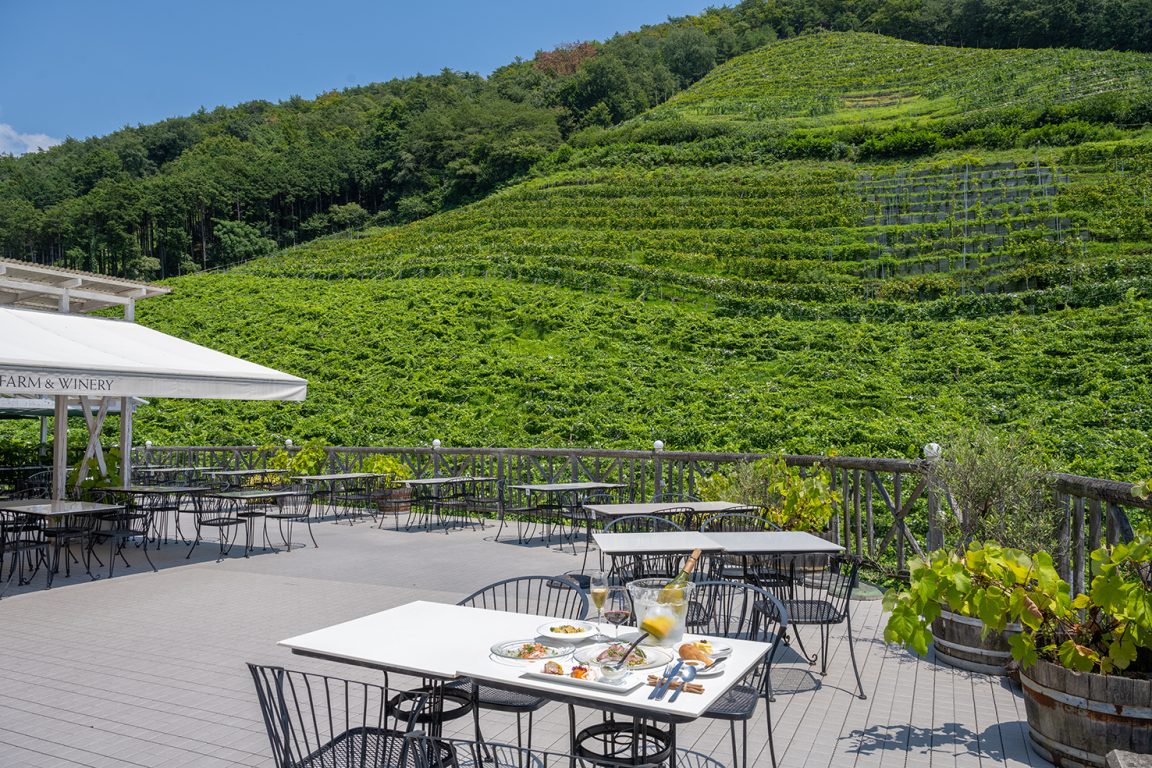
In the 1950s, a mountainside vineyard was opened by junior high school students who struggled with arithmetic and reading, together with their homeroom teacher. Since the land was first cultivated, no herbicides have ever been used.
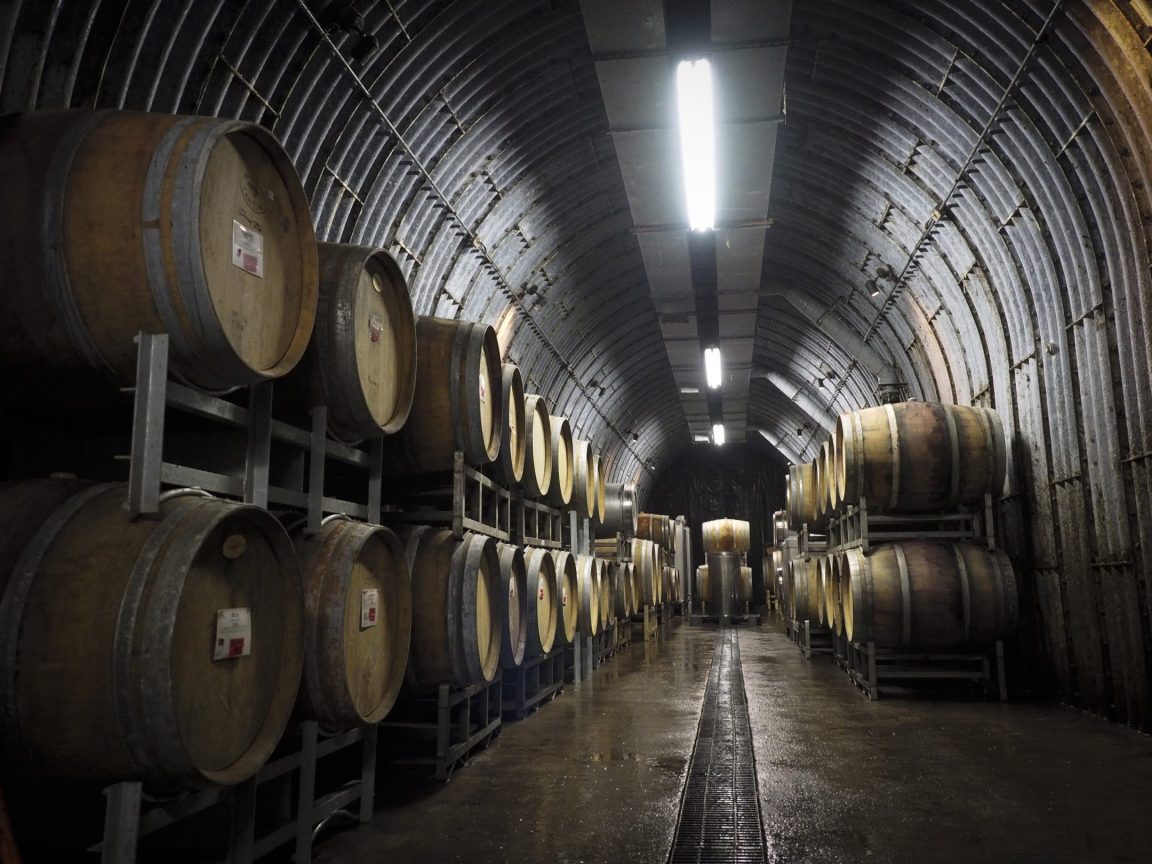
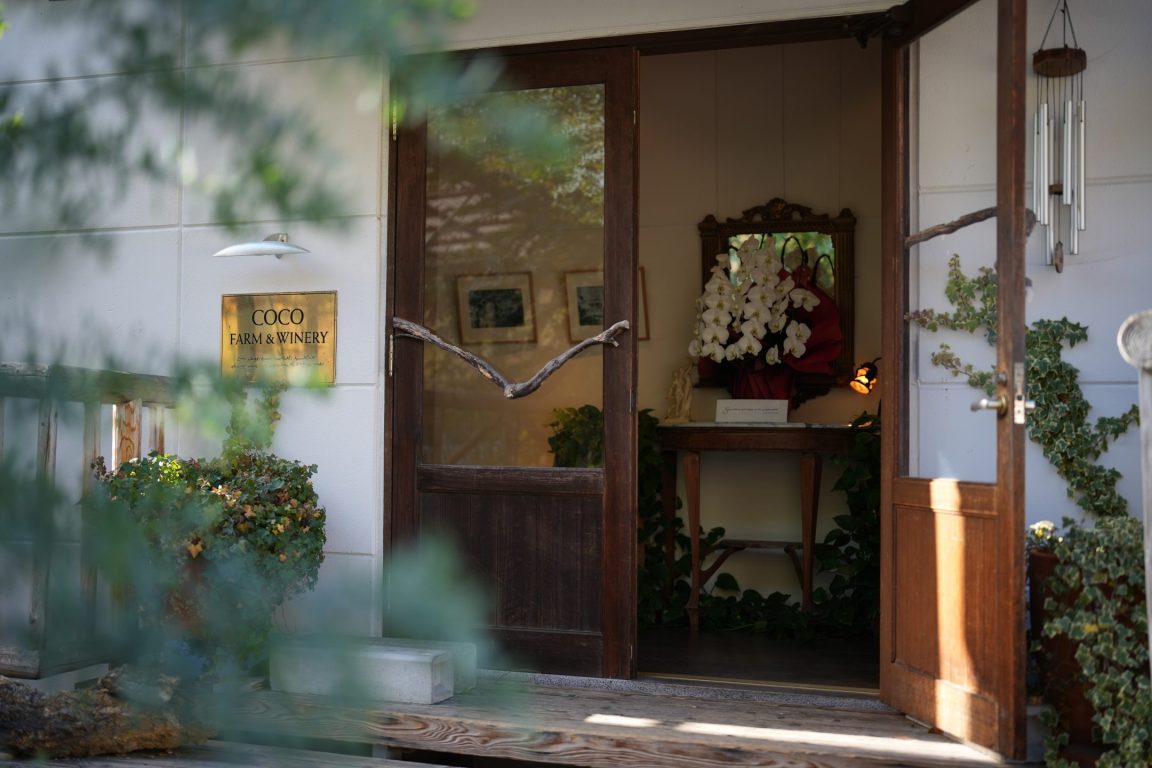
Coco Farm and Winery, founded in 1980 at the foot of this mountain, began making wine in 1984. In the winery, the winemakers listen closely to “the voice of the grapes,” aspiring to craft the kind of wine the grapes themselves wish to become. They focus on fermentation using wild yeasts and produce wine exclusively from 100% Japan-grown grapes.
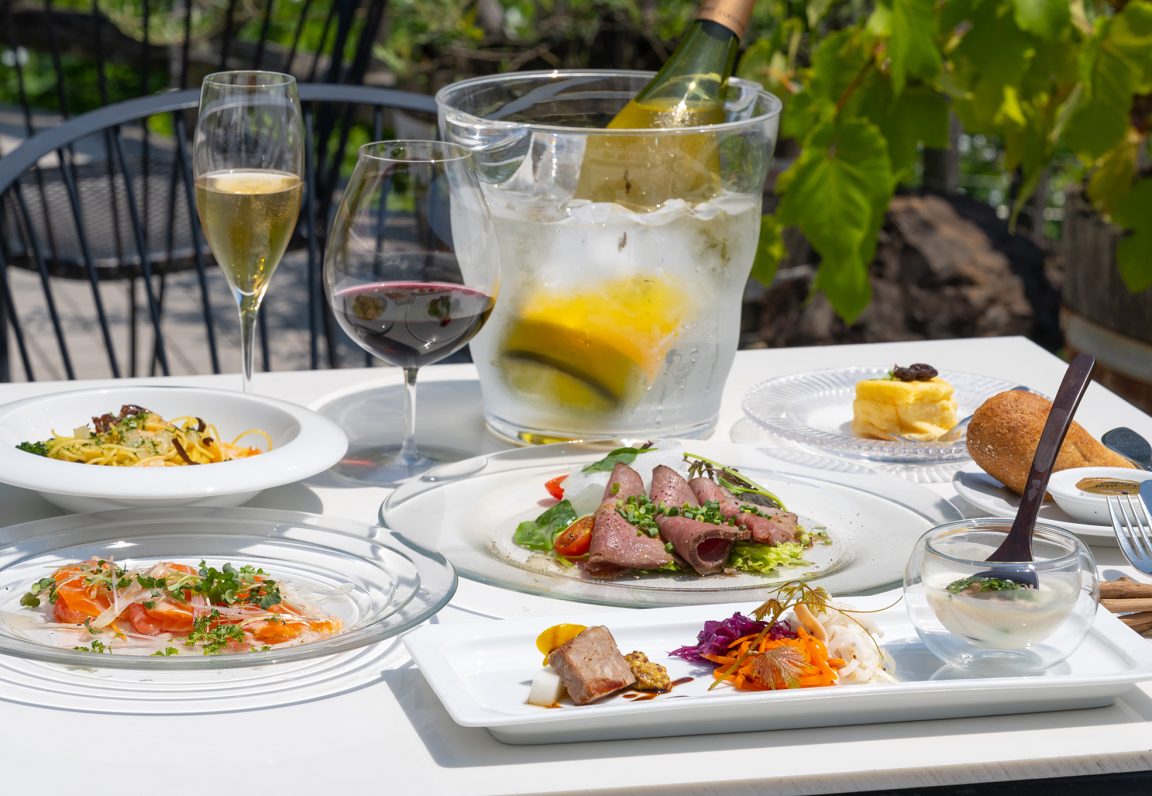
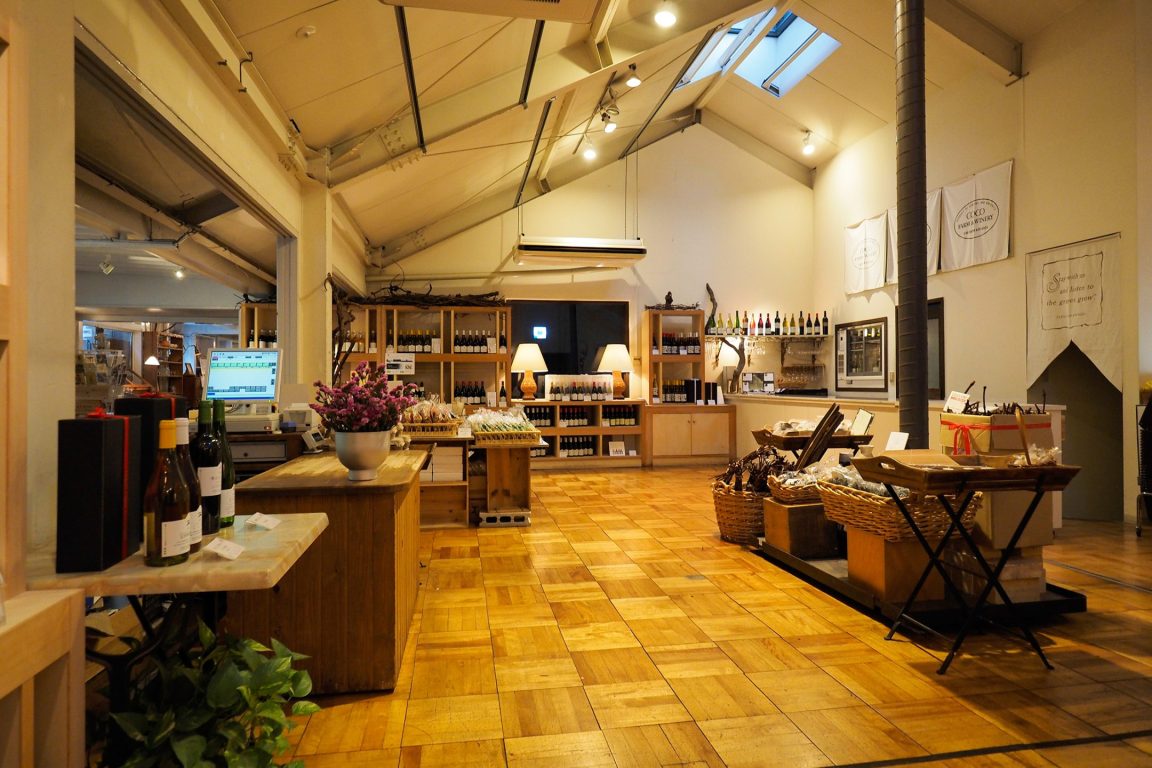
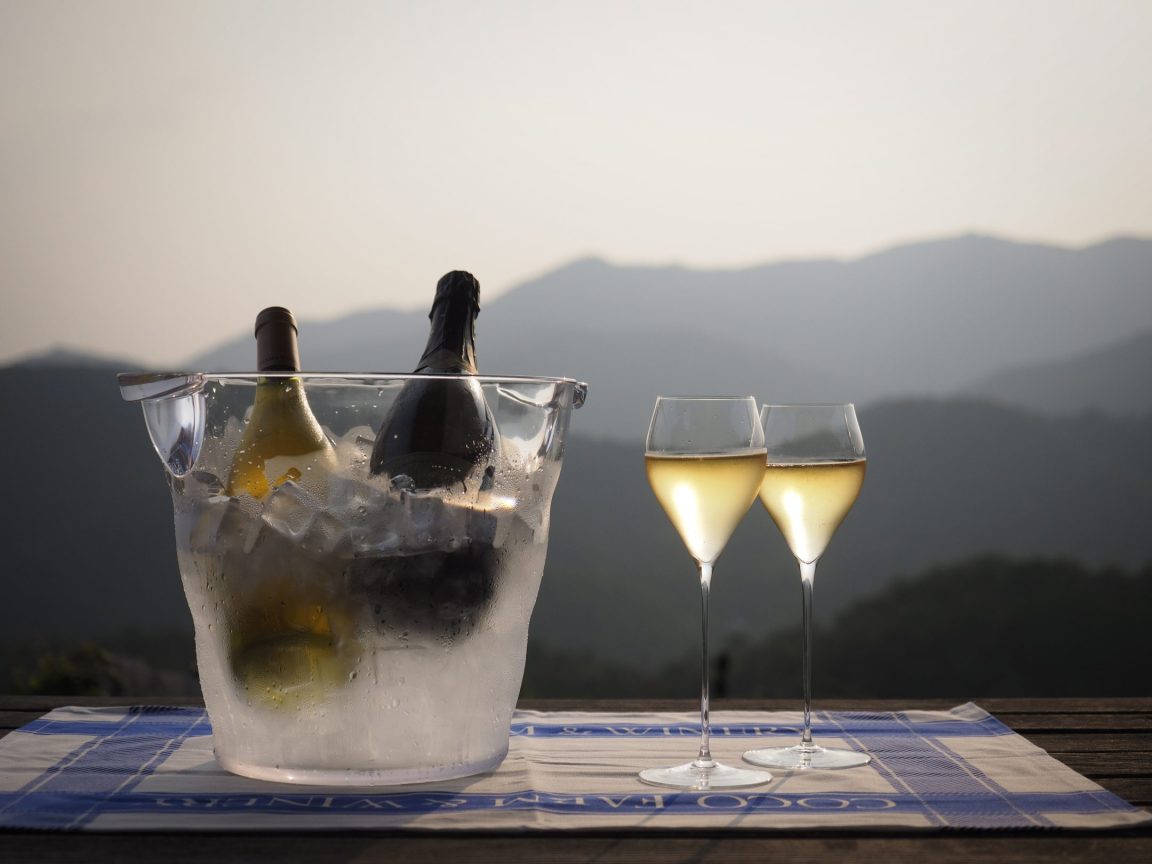
Their wines have been selected for international conferences such as summits, and have also been served in first and business class on international flights. At the winery, visitors can enjoy not only shopping but also tours, tastings, and lunch at the café.


The Taihei Kikan serves as the base facility for tourism in the city, and is surrounded by the Ashikaga School, Bannaji Temple and Sentokuji Temple, and also provides sales of Ashikaga City souvenirs and Tourist Information as well as offering both a rest space and rental cycles. Along with regional sweets, original goods, and finished goods for sale you can also rent bicycles.“


Registered as a Tangible Cultural Property in June 2004, Ashikaga Orihime Shrine has long been worshipped as home to guardian deities of local industry and matchmaking.
The vermillion-lacquered shrine stands in beautiful contrast to the surrounding green forests. Located on the hillside, the shrine commands magnificent views of the city of Ashikaga and the Watarase River. On fine days,the view extends as far as the Kanto Plains and the Tokyo Skytree. The shrine is a starting point for a walking trail through the Prefectural Natural Park. The trail is popular for enjoying seasonal views and is suitable for children.
A large number of visitors come and enjoy music performances and local delicacies at the shrine during the grand spring festival in May and autumn festival in November. It has become a popular dating spot since being named a sacred place for lovers and one of the best night view locations in 2014.


History of Bannaji Temple
On the site of the present-day Bannaji Temple, a powerful samurai called Minamoto no Yoshiyasu, who was as famous as Taira no Kiyomori and Minamoto no Yoshitomo (the father of Minamoto no Yoritomo and Minamoto no Yoshitsune) built his castle at the end of Heian period. He is the first generation of Ashikaga family.
In 1196, Ashikaga Yoshikane, the son of Yoshiyasu, built a hall dedicated to Dainichi Nyorai, and the 3rd head of Ashikaga family, Ashikaga Yoshiuji, built a hall tower and other buildings. Since that, the Bannaji Temple bacame the clan temple of Ashikaga family. 150 years later, the 7th head of the family, Ashikaga Takauji, founded the Muromachi Shogunate, which gave the Ashikaga family the reign of Japan. Even in the Edo period, as the temple of the Ashikaga family, the direct descendant of the Minamoto clan, was revered and protected by the Tokugawa Shogun, who claimed to be a member of the Minamoto clan.
Became the National Treasure of Japan
In 1923, Bannaji Temple was designated as a National Historic Site as the “Ashikaga Family Residence”. The main hall, the bell tower, and the sutra hall were designated as National Important Cultural Properties. It was selected as the one of the 100 most famous castles in Japan. The 40,000-square-meter territory is laid out in a square shape, surrounded by a circular fortress and a moat, and retains the characteristics of the Kamakura period’s Buke Yashiki (samurai’s house).
Annual Events
On February 3, the temple hosts the Ashikaga Setsubun Armor Parade, in which more than 150 participants dressed as samurai and wearing armor parade to Bannaji Temple and then perform the bean-scattering ceremony.
In spring, you can enjoy cherry blossoms, and in fall, you can see the leaves of the city’s natural monument, the Ginkgo tree (about 600 years old), turn yellow, and the beauty of the tree is breathtaking.